
Peace can be found when you immerse yourself in the tranquility of untouched nature. Spending time in environments where your only neighbors are trees, rivers, and wildlife allows you to recharge and connect with the world around you. This blog post will explore the numerous benefits of escaping the urban hustle and savoring the serenity that nature offers. From enhancing your mental well-being to fostering a greater appreciation for the environment, you’ll discover why seeking out secluded natural spaces is vital for a balanced lifestyle.
The Allure of Secluded Living
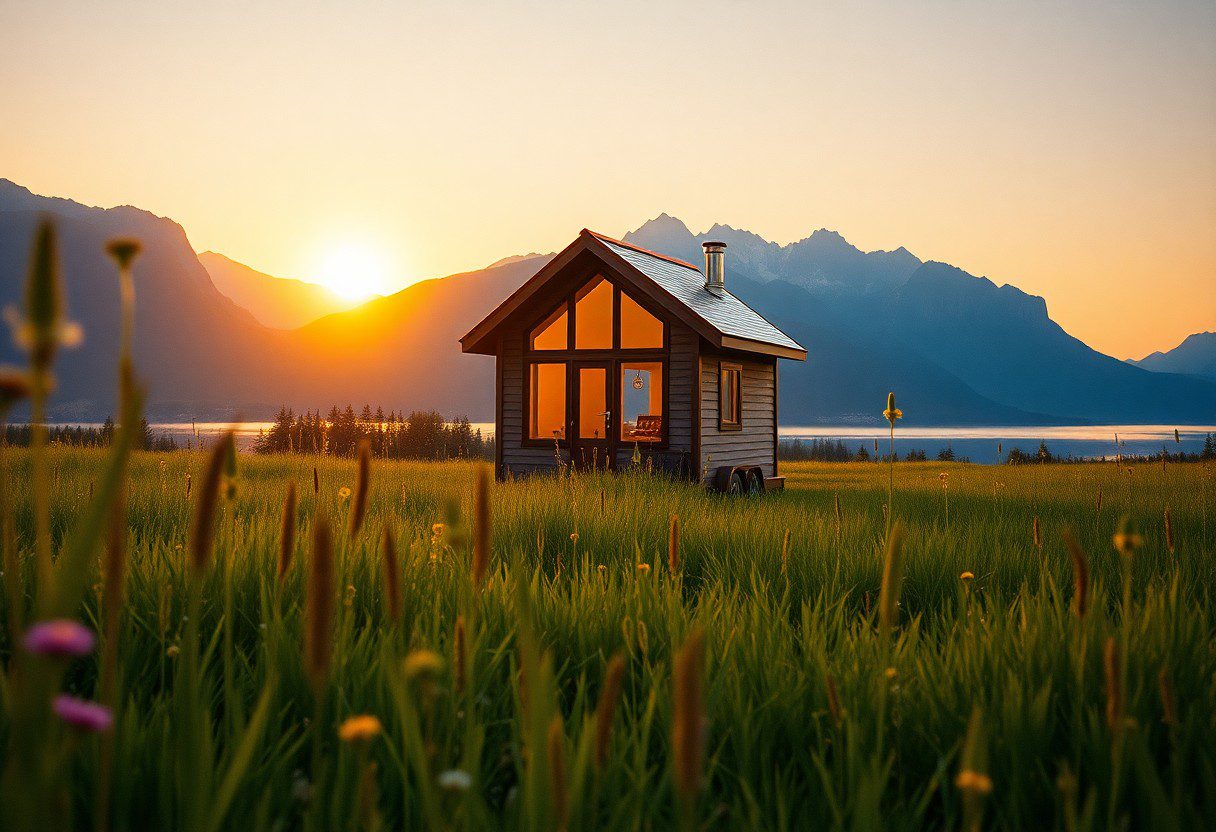
Secluded living offers an irresistible charm that attracts individuals seeking refuge from the hustle and bustle of urban life. With nature as your only neighbor, you can savor the tranquility that comes from having open spaces, fresh air, and unfiltered views of the cosmos at night. The simple pleasures of watching wildlife, hiking through dense woods, or listening to the gentle rustle of leaves provide an invaluable lifestyle that soothes your spirit and fosters deeper connections with both yourself and your surroundings.
Reconnecting with Nature: The Psychological Benefits
Immersing yourself in nature has profound psychological benefits, including reduced stress and anxiety levels, improved mood, and enhanced cognitive function. Scientific studies show that spending time outdoors can lower cortisol levels—the stress hormone—and increase feelings of well-being. Surrounded by natural beauty, you can cultivate mindfulness and foster a sense of purpose, positively influencing your mental health and emotional resilience. Reconnecting with the earth allows you to rejuvenate both body and mind.
Embracing Solitude: Finding Peace in Isolation
In a world dominated by connectivity, embracing solitude can lead to profound self-discovery and introspection. When you remove the distractions of daily life, you create a sanctuary for your thoughts. Solitude encourages creativity and innovation, allowing your mind to wander freely and develop ideas without interruption. This uninterrupted time alone grants you a unique perspective on your goals and desires, leading to personal growth and clarity about your life’s path.
Embracing solitude is not about isolation; it’s an opportunity to connect with your inner self away from societal influences. Many artists and writers have found that their best work emerges during periods of solitude, allowing them to tap into their deepest emotions without distractions. You might reflect on the quiet moments spent journaling at sunrise or listening to the sounds of nature. This intentional solitude ushers in clarity, nurturing your intuition and providing space for profound insights, affirming the notion that moments of isolation can yield transformative experiences.
Crafting a Wilderness Lifestyle
Transforming your life to embrace a wilderness lifestyle requires intentional choices and a deep commitment to living harmoniously with nature. Beginning with small adjustments, you can gradually shift your habits and routines. Embrace outdoor activities, learn local foraging techniques, and practice self-sufficiency skills to truly connect with your natural surroundings. This journey not only fosters resilience but also enhances your overall well-being, making you appreciate the simplicity and beauty of life in the wild.
Sustainable Living: Practical Tips for Off-Grid Existence
Off-grid living enhances your independence while promoting sustainability. Implementing these strategies can lead you closer to a self-sufficient lifestyle:
- Utilize solar panels for electricity.
- Collect rainwater for household use.
- Grow your own food in a garden.
- Embrace composting to reduce waste.
- Learn to hunt and fish for protein sources.
Thou will find joy in the simplicity of living in balance with nature.
Land Selection: Key Factors to Consider
Your choice of land significantly impacts your off-grid experience. Factors such as proximity to resources, soil quality for farming, and climate can dictate your long-term success. Look for areas with ample sunlight for energy production and access to clean water sources. Diverse ecosystems can provide natural resources and recreational opportunities for your family. Engaging with local communities can also yield valuable insights about the land you’re considering.
- Evaluate access to natural water bodies.
- Assess soil fertility for productive gardening.
- Consider the distance from amenities and local markets.
- Research climate patterns and seasonal changes.
- Inquire about the land’s zoning laws and regulations.
Recognizing these factors early on will help you create a sustainable environment for years to come.
Each of these considerations not only promotes a practical foundation for your wilderness lifestyle but also contributes to a deeper connection with the land itself. Assessing the long-term viability of the area, such as looking at historical climate data, can save you headaches in the future. Choose locations with a balance of scenic beauty and accessibility, as this ensures that your sanctuary remains a place of solace rather than isolation. Recognizing the characteristics that matter most will set the stage for a fulfilling existence surrounded by nature.
- Understand the local wildlife and their habits.
- Explore potential land hazards, such as floods or fires.
- Research local resources for construction materials.
- Consider the ecological impact of your presence.
- Plan for community engagement and social support.
Recognizing these aspects in your land selection process will ultimately shape your experience of a wilderness lifestyle.
The Financial Dynamics of Rural Retreats
Understanding the financial implications of rural living can drastically shape your decision-making process. Although the initial costs may appear daunting, the long-term benefits often prove substantial. With lower property taxes and housing costs, you’ll likely find that your wallet breathes easier in a rural environment. Additionally, the tranquility and lifestyle changes may translate into fewer expenses associated with urban living. This chapter unpacks the comparison between urban and rural financial dynamics to help you see the full picture.
Cost Analysis: Comparing Urban vs. Rural Living
| Expense Type | Urban Living |
| Housing Costs | Higher |
| Property Tax | Higher |
| Groceries | Higher |
| Utilities | Moderate to Higher |
| Transportation | Higher |
| Healthcare | Moderate |
| Housing Costs | Lower |
| Property Tax | Lower |
| Groceries | Lower |
| Utilities | Generally Lower |
| Transportation | Lower |
| Healthcare | Variable |
Investment Potential: Predicting Value in Untouched Areas
Investing in untouched rural properties may yield significant returns as urban populations continue to seek respite from city life. With the increasing trend of remote work, these areas become hotbeds for potential property value appreciation. Early investors have the chance to secure land before infrastructure develops, creating a unique opportunity. As interest rises, you could find that what seemed like a simple getaway now holds substantial equity, creating a viable financial asset.
The real estate market in rural areas has shown resilience and growth, especially amid events that push people away from densely populated environments. For instance, areas previously undervalued are now catching attention due to a flood of new residents seeking spacious homes and natural beauty. As amenities improve, including internet access and roads, real estate values in these rural hotspots can skyrocket. Identifying areas with potential for development or natural attractions can set you up for a lucrative investment, transforming your retreat into both a sanctuary and a financial asset.
Navigating Challenges of Remote Living
Living in seclusion can present unexpected hurdles, but with the right mindset and planning, these challenges become manageable. From ensuring reliable connectivity to addressing safety concerns, you can enjoy the tranquility of your surroundings without sacrificing modern comforts and security. Tackling these challenges effectively allows you to fully immerse yourself in nature without the burdens of modern life weighing you down.
Addressing Connectivity: Strategies for Modern Needs
Establishing a reliable internet connection in remote areas often requires creative solutions. Satellite internet and mobile hotspots can bridge the gap, enabling you to work from your sanctuary or keep in touch with loved ones. Additionally, exploring local broadband providers may unveil options tailored to your specific area that enhance your connectivity experience.
Safety and Security: Protecting Your Remote Sanctuary
Ensuring the safety of your remote home involves implementing a multi-faceted approach. Invest in security systems tailored for isolated environments—think solar-powered cameras and motion detectors. Reinforcing doors and windows with sturdy locks can deter intruders, while forming supportive relationships with neighbors can foster a sense of community security, keeping an eye out when you’re away.
A well-rounded security plan safeguards your tranquility in remote living. For instance, installing outdoor lighting combined with strategically placed security cameras creates a deterrent against unwanted visitors. Additionally, enrolling in local alert systems can keep you informed about any potential threats in your area. Organizing a neighborhood watch is another way to promote vigilance, ensuring that you feel safe and secure enough to enjoy the breathtaking beauty of your secluded surroundings without worry.
Personal Growth Through Nature-Integrated Living
Interacting with nature can catalyze personal development and offer new perspectives on life. Living surrounded by natural landscapes encourages self-reflection, mindfulness, and a deeper appreciation of the environment. You may find that engaging with the rhythms of the seasons enhances your adaptability and resilience. Establishing a routine that incorporates outdoor activities can foster your physical and mental well-being, making you more attuned to both personal and community growth. Cultivating this lifestyle may profoundly impact your outlook on sustainability and interconnectedness within your surroundings.
Skills Development: Building a Diverse Skill Set
Embracing a rural or nature-integrated lifestyle is an opportunity to acquire an eclectic mix of practical skills that can be invaluable in daily living. Gardening, woodworking, and foraging are just a few examples of hands-on activities you can investigate. Each skill enhances your self-sufficiency, pushing you to innovate and solve problems efficiently. You’ll develop not only technical skills but also emotional intelligence and adaptability through real-world experiences that foster a deeper connection to the land.
Building Community: Finding Like-Minded Neighbors
Creating a supportive community in remote settings can elevate your living experience by turning isolation into connection. Engaging in local workshops, farmers’ markets, or community events provides a platform to meet like-minded individuals who value nature-integrated living. You may discover opportunities to collaborate on projects, share resources, or even start communal initiatives that promote sustainability and well-being. Active participation in shared interests fosters strong relationships, turning your surroundings into a nurturing and cooperative environment.
As you immerse yourself in this new community, the depth of relationships can surprise you. While remote living might make it easy to feel isolated, building connections with neighbors through shared gardening efforts or conservation projects fosters a sense of belonging. Whether participating in skill-sharing workshops or collaborating on local sustainable farming practices, these interactions help create lasting bonds that transcend mere acquaintance. In a community that champions nature-driven lifestyles, relationships blossom, creating a network of support that enriches your daily life.
Summing Up
As a reminder, spending time where nature is your only neighbor offers unparalleled benefits for your mental and physical well-being. Immersing yourself in the tranquility of the outdoors can enhance creativity, reduce stress, and improve your overall health. Whether hiking in the mountains, camping in the woods, or simply taking a leisurely stroll in a local park, these experiences rejuvenate your spirit and reconnect you with the natural world. Embrace these moments, and allow nature to become a vital part of your life for a more balanced, fulfilling existence.