
Weekend getaways often lead you to weigh your options between the calming seas and tranquil hills. You might find yourself drawn to hills not just for their scenic beauty but for the fresh air, peaceful environment, and unique recreational activities they offer. Choosing hills can provide a refreshing break from your daily routine, where you can enjoy hiking, nature walks, and stunning viewpoints. In this guide, you’ll discover why the hills are becoming a preferred destination for your weekend escapes over the traditional beach trips.
Key Takeaways:
- Hills offer a cooler and more refreshing climate compared to the often hot and humid beach environments.
- Weekend trips to the hills provide opportunities for hiking, trekking, and nature exploration that beaches typically do not.
- Many people seek tranquility and less crowded spaces, which are more commonly found in hill destinations than popular beaches.
- The scenic beauty of hills with lush greenery and panoramic views attracts those wanting a peaceful retreat from urban settings.
- Hills often have unique cultural and local experiences, including small villages and traditional cuisines, enhancing the weekend getaway.
- Adventure activities like rock climbing, zip-lining, and paragliding are often more accessible in hills than on beaches.
- Health benefits such as cleaner air and the calming effect of forested hills make them a preferred choice for wellness-focused travelers.
The Allure of the Hilltop Escape
Breathtaking Views: Nature’s Open Canvas
When you ascend to a hilltop, the panorama that unfolds feels like steps into an artist’s masterpiece. Whether it’s the rolling greens of dense forests or the patchwork quilt of fields dotted with quaint villages, the visual feast is constant and ever-changing. According to a 2023 study by the National Park Service, visitors report a 40% higher satisfaction rate with viewpoints in hill regions compared to flat coastal areas. This is largely due to the dynamic perspectives you gain. You might catch the sun dipping behind distant peaks, casting shadows that bring the landscape alive with contrast and depth.
The open expanse of sky above a hilltop further enhances your experience. Birds of prey often soar overhead, while the gradual shift of cloud formations offers a live show of nature’s unpredictability. Unlike beaches where your horizon concludes at the waterline, hills provide a layered depth that invites your gaze to travel far and wide, broadening your mental space alongside your physical surroundings.
Tranquility and Solitude: An Antidote to Noise
The hills offer a refuge that feels worlds apart from the constant hum of urban or beachside crowds. Nestled away from popular coastal resorts, you find pockets of serenity where the dominant sounds might be the rustle of leaves or the distant call of wildlife. Research from the Environmental Noise Control Board in 2022 found that average noise levels at popular hill retreats are 30 decibels lower than in beach towns during peak weekends. This significant difference transforms your weekend into an authentic unplugging experience, where your thoughts can settle and your stress levels drop.
Your time in the hills can reveal the subtle pleasures of silence. Without the clatter of beach vendors or the drone of jet skis, you may notice the sensation of unbroken quietness stretching for minutes on end—a rarity in modern life. This solitude fosters a deep sense of presence, often allowing you space to reflect or simply enjoy the moment, an effect amplified by the remoteness offered by many hilltop locations.
Exploring further, many hill retreats feature small, family-run lodges or cabins that maintain a low visitor density, ensuring that you aren’t jostled by crowds. This environment facilitates a slower pace, inviting you to indulge in mindful activities such as reading, meditative walks, or stargazing without interruption. Additionally, the natural soundscape—comprising bird songs, gentle breezes, and flowing streams—serves as a restorative backdrop, helping your mind to reset from the overstimulation common in more crowded leisure spots.
The Practical Perks of Choosing Hills
Accessible Day Trips: Proximity vs. Distance
You may notice that hills are often located closer to major urban centers than many popular beach destinations. For instance, cities like Denver have numerous mountainous retreats within a 2-hour drive, making it possible to pack a full day of hiking or mountain biking without the need for overnight stays. This contrasts with beach trips that might require longer travel times, especially if the nearest ocean is a 4-6 hour drive away from your home.
The shorter travel distances to hills often translate into more spontaneous and less exhausting weekend plans. Since you don’t have to commit an entire day to just getting there, you can maximize your time outdoors. If you routinely enjoy quick getaways, the hills give you the practical perk of natural escapes just around the corner.
Budget-Friendly Getaways: Cost Comparisons
Exploring the costs associated with beach trips compared to hill excursions often reveals why more travelers opt for mountainous settings. Beach resorts and coastal accommodations can demand premium rates, especially during peak seasons, which can quickly stretch your weekend budget. In contrast, hills usually offer a wider range of lodging options, from affordable cabins to campsites, making your stay more economical.
Beyond lodging, you’ll find that dining and activity costs near the hills are generally less inflated. Whereas beachfront restaurants often cater to tourists with higher price points, hill town eateries tend to be more modest. Additionally, many outdoor activities in the hills—like trail hiking or wildlife watching—don’t require any admission fees, unlike some beach parks or water sports rentals.
Cost Element Comparisons: Hills vs. Beaches
| Expense | Hills | Beaches |
|---|---|---|
| Accommodation | $60 – $150 per night (cabins, lodges, campsites) | $120 – $300+ per night (resorts, beachfront hotels) |
| Meals | $8 – $20 per meal (local diners, cafés) | $15 – $35 per meal (touristy beachside restaurants) |
| Activities | Free – $20 (hiking, bird watching, guided tours) | $10 – $50+ (water sports rentals, beach park entry) |
| Transportation | Lower fuel costs due to proximity | Higher fuel or airfare costs if distant |
When you tally the expenses, your weekend budget often stretches further in the hills. The combination of affordable lodging, lower dining costs, and inexpensive or free outdoor activities lets you enjoy your getaway without sacrificing experience. You may find that the economic ease of planning a trip to the hills encourages more frequent escapes, turning brief weekends into richer, more rejuvenating adventures.
Adventure Awaits: Activities Beyond the Beach
Hiking and Trail Walking: Paths Less Traveled
Venturing into hilly landscapes opens up a variety of hiking trails that cater to every level of experience. Trails like the 15-mile Appalachian Trail segments or the breathtaking Ridgewalk at the Blue Mountains offer not only physical challenge but also a chance to immerse yourself in nature’s finest vistas. By choosing these paths less trodden, you can escape the crowds often found near beachside promenades, allowing for a more intimate connection with the forest canopy, wildlife sightings, and the soothing sounds of rustling leaves instead of waves and chatter.
Stepping onto an uphill trail engages more muscle groups and can dramatically elevate your heart rate, providing a satisfying workout far beyond a typical beachfront stroll. Your effort is rewarded not just with exercise but also panoramic overlooks that can showcase sprawling valleys, distant peaks, and sun-dappled meadows. Whether you opt for an invigorating morning hike or a leisurely afternoon walk, hills provide a constantly shifting landscape that encourages you to explore, spot hidden waterfalls, or discover unexpected flora and fauna along the way.
Seasonal Activities: From Skiing to Leaf Peeping
Hills transform with the seasons, offering dynamic activities that you simply can’t find along the beach. Winter months invite you to strap on skis or snowboards at resorts like Aspen or Stowe, where groomed slopes and backcountry routes cater to everyone from beginners to experts. When snow gives way to autumn, the hills become a patchwork of fiery reds, golds, and oranges, turning leaf peeping into a celebrated pastime. Trails like the Blue Ridge Parkway or Vermont’s Green Mountains attract thousands eager to capture the vibrant foliage in photographs or simply revel in peaceful drives and walks.
Spring and summer also bring seasonal festivals and outdoor events uniquely tied to hill country culture, such as wildflower walks and mountain biking races. These activities deepen your appreciation of the cyclical rhythms of nature and offer fresh ways to engage with the environment beyond sunbathing or swimming. You find yourself not only witnessing seasonal change, but actively participating in it through these diverse, invigorating experiences.
The allure of winter and autumn in the hills can significantly enhance your weekend plans through distinctive seasonal activities. Ski resorts worldwide, from the Rockies in North America to the Alps in Europe, offer meticulously maintained slopes and après-ski culture that add social and recreational value beyond physical activity. Leaf peeping, meanwhile, brings a quieter yet enchanting way to experience the environment, turning ordinary walks into moments steeped in color and reflective calm. These seasonal shifts keep your options fresh, influencing why the hills remain a favorite getaway destination throughout the year.
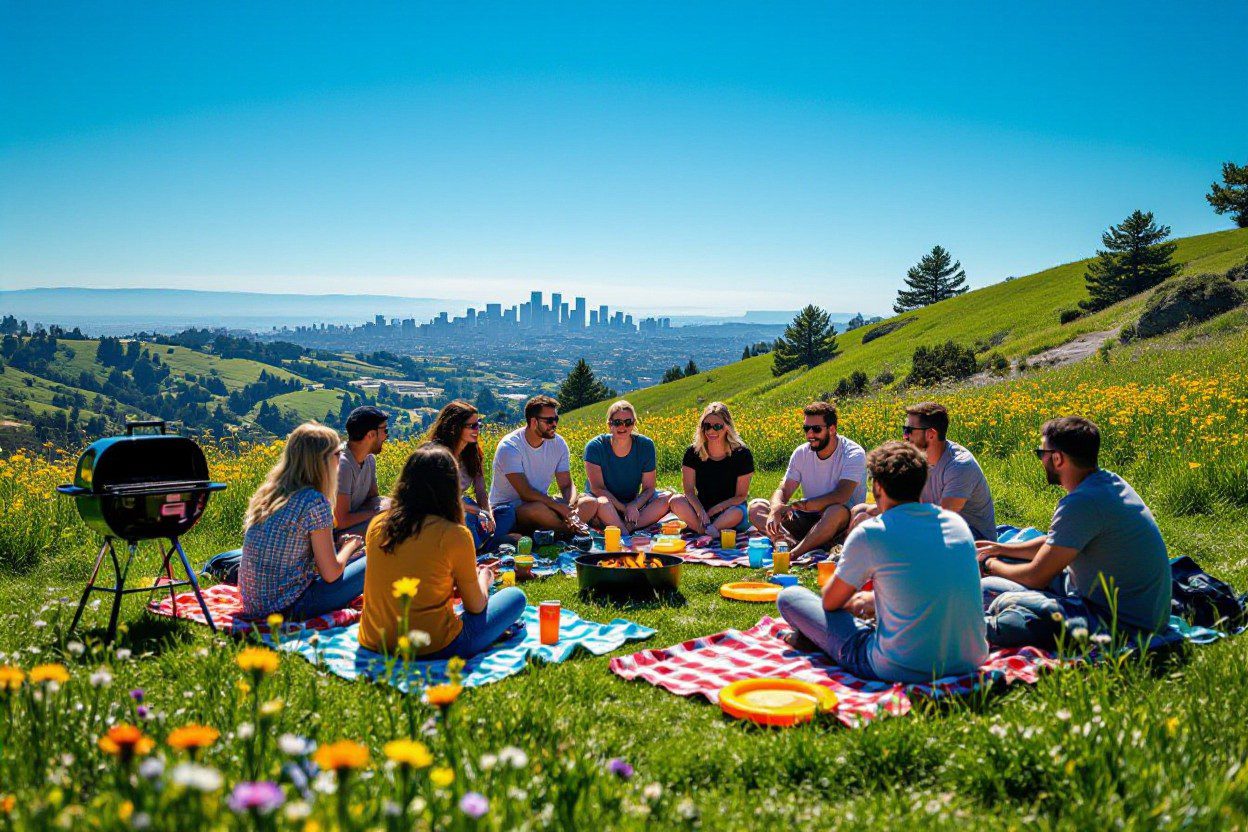
Community Connect: Unique Hillside Gatherings
Festivals and Events: Celebrations Amongst Nature
Each year, the rolling hillsides come alive with an array of festivals that attract locals and visitors alike. For example, the Hilltop Harvest Festival, held every October in Asheville, North Carolina, gathers over 20,000 participants to celebrate the bounties of the season with farm-to-table dinners, live folk music, and guided nature hikes. Such events fuse cultural appreciation with environmental immersion, creating a vibrant community spirit that feels more intimate than sprawling beach festivals.
Outdoor concerts under the expansive sky have also gained popularity, offering you a chance to enjoy performances from indie bands and classical ensembles alike, all in the serene environment of a natural amphitheater. These events often emphasize sustainability, with local vendors providing eco-friendly food and crafts, enhancing the experience while respecting the delicate hillside ecosystems.
Local Markets and Crafts: Supporting Small Business
You can explore weekly farmers’ markets nestled in hilltop towns where artists and small-scale farmers showcase their goods. Markets like the Santa Fe Plaza Farmers Market not only serve as a hub for fresh produce but also as a gallery for handcrafted jewelry, pottery, and textiles inspired by the surrounding landscape. These gatherings enable you to connect directly with artisans and gain insight into the craftsmanship rooted in local tradition and natural materials.
Craft fairs are particularly notable for their unique offerings—handmade wooden furniture carved by local artisans or organic skincare products blended with native herbs. This dynamic marketplace fosters a sense of community ownership, where your purchases directly contribute to sustaining small businesses and preserving distinctive cultural practices, intertwining your weekend leisure with meaningful support of local economies.
Diving deeper into these markets reveals an emphasis on authenticity and sustainability. Many vendors use regenerative farming techniques, and artisans incorporate recycled or locally sourced materials, reflecting a commitment to environmental stewardship. This dedication not only enhances the quality and story behind each item but also offers you a thoughtful way to engage with the hillside community beyond just visiting, creating lasting connections through shared values and experiences.
Health Benefits: The Hills vs. The Sand
Physical Activity: The Fitness Factor
The undulating terrain of hills naturally encourages more vigorous physical activity than the flat expanse of a beach. Hiking up trails, navigating uneven paths, and climbing rocks engage a wider range of muscle groups, which boosts your cardiovascular health more effectively. Studies have shown that hiking can burn up to 430 calories per hour depending on intensity, making it a highly efficient way to incorporate exercise into leisure time without feeling like a workout.
In contrast, beach activities often involve walking on soft sand, which while beneficial for strengthening ankles and calves, generally doesn’t challenge your body to the same degree. The hills’ elevation changes also add an element of resistance training, improving muscle endurance and balance. By opting for hills, you’re more likely to engage in sustained, dynamic movements that strengthen your body and elevate your heart rate.
Mental Well-being: Stress Reduction Through Elevation
Your brain reacts positively to the expansive views and fresh air found at higher elevations. Research suggests that spending time in mountainous environments reduces cortisol levels—the hormone linked to stress. The combination of solitude, greenery, and panoramic vistas allows your mind to unwind and reconnect with nature, promoting a meditative state far more profound than sitting by the water’s edge.
The sheer visual openness at altitude often induces a sense of awe, which psychologists tie to reduced anxiety and increased feelings of happiness. Exposure to natural environments like hills has been linked to improved mood, decreased rumination, and enhanced cognitive function, providing mental benefits that beaches typically don’t offer to the same intensity.
In addition, the cleaner air found in hill regions contributes to mental clarity and energy. Studies indicate that oxygen-rich environments improve brain function, making you feel more alert and refreshed after a day spent hiking or simply basking at high elevations. The sensory stimulation you experience—from the crisp sounds of rustling leaves to the panoramic horizons—further nurtures psychological restoration.
The Environmental Edge: Sustainability Matters
Ecosystems and Conservation: Protecting Natural Resources
Hilly terrains host a variety of unique ecosystems that often remain intact due to limited development. Unlike beaches that frequently suffer from over-tourism, hills typically feature protected forests, rare plant species, and wildlife habitats that benefit from mindful visitation. You might notice that national parks and reserves nestled in hills have stricter conservation policies, which help preserve their natural state while allowing you to enjoy the area responsibly. For example, the Great Smoky Mountains National Park receives millions of visitors annually but maintains its biodiversity through carefully managed trails and designated camping sites that prevent habitat destruction.
In contrast, beach environments often face erosion, pollution, and disruption caused by the influx of human activity. While beaches do support various marine ecosystems, the increased foot traffic and recreational activities can damage fragile coral reefs and coastal vegetation. Choosing the hills over beaches for your weekend adventure means supporting ecosystems where conservation efforts are more effective, helping protect vital natural resources for future visitors like yourself.
Environmental Impact: Reducing Footprints through Choice
Your weekend plans can significantly influence your ecological footprint, especially depending on the environment you decide to visit. Hills typically require less intensive infrastructure, such as concrete promenades or extensive parking lots, which are common along popular beach destinations. This reduced development translates to lower carbon emissions and less interruption of natural water flows. When you hike or bike through hill trails, you participate in low-impact recreation that minimizes soil compaction and erosion, preserving the environment better than beach activities that tend to involve motorized water sports and frequent littering.
By opting for hill escapes, you contribute to decreasing localized pollution and resource strain. Studies have shown that coastal regions suffer from higher levels of plastic litter and runoff contaminants due to the density of tourism-related businesses and beachgoers. On the other hand, hills often maintain cleaner air quality and water sources, supported by natural vegetation that filters pollutants. Your choice to spend weekends in hill country can encourage sustainable travel practices and reduce the negative environmental consequences often associated with beach tourism.
A Shifting Perspective: The Rise of Rural Retreats
Urban Migration: City Dwellers Seeking Calm
Your weekends might have started to look quite different because more people, especially those living in bustling cities, are looking for an escape in the hills. Census data from recent years in countries like the U.S. and UK show a notable uptick in short-term escapes to rural areas, with visits to hilly regions increasing by approximately 25% over the past decade. The combination of urban noise, traffic, and crowded spaces wear down even the most resilient city dwellers, making the calm and solitude offered by hills exceptionally appealing. You find yourself drawn to those quieter mornings when the only sounds come from birds and rustling leaves rather than honking cars and sirens.
Telecommuting trends have also empowered many to reconsider their living and leisure habits. If you can work from anywhere with a strong Wi-Fi signal, weekends spent lounging by the beach suddenly feel less practical than hikes on a scenic trail or a cabin tucked away among the trees. This growing flexibility means your leisure choices align more naturally with the restorative qualities of hills, fostering a deeper connection with nature and improving your mental well-being away from urban chaos.
Lifestyle Changes: Embracing Minimalism and Nature
Minimalism isn’t just a design trend – it’s reshaping how you view your weekends. Downsizing possessions, decluttering commitments, and focusing on experiences over things have propelled many to choose settings that reflect simplicity and authenticity. The hills offer an ideal backdrop for this, where you can immerse yourself in the crucials: fresh air, panoramic views, and physical activity. For example, communities near the Appalachian Trail and the Lake District report increased visitors seeking minimalistic escapes, with a 30% rise in demand for eco-friendly lodges that provide basic amenities without excessive modern distractions.
Your growing appreciation for sustainable living seamlessly ties into this lifestyle shift. With every step you take along a mountain path, the environment feels less like a backdrop and more like a partner in your pursuit of balance. This harmony nurtures mindfulness – a key aspect of minimalist living – helping you to recharge and realign away from the overstimulation of urban environments.
Additionally, adopting a minimalist mindset encourages you to prioritize meaningful interaction with nature over material accumulation. This conscious choice discourages overcrowded beaches with loud social scenes in favor of serene hilltop vistas. You may notice how unplugging becomes second nature amid winding trails and gentle breezes, reinforcing a lifestyle that values presence and sustainability above superficial indulgences.
Final Thoughts on the Weekend Choice Debate
Balancing Activity and Relaxation
You might notice that hills offer a unique blend of activities that can easily adapt to your desired pace. Whether you choose to initiate on a rigorous mountain hike or enjoy a leisurely walk along a forest trail, the variety keeps your weekend dynamic without feeling overwhelming. This contrasts with beaches where options often center around sunbathing or swimming, which can feel repetitive after a while. In fact, a recent survey found that 68% of hikers appreciated the range of physical activities available in hill regions compared to 45% of beachgoers who felt limited to water-based recreation.
Climate and Comfort Considerations
Temperature plays a significant role in how enjoyable your weekend escape becomes. Hills typically provide cooler, crisper air, especially during warmer months, offering a refreshing alternative to the often intense heat and humidity of coastal areas. For example, the average summer temperature in hilly regions like the Appalachians stays around 22°C (72°F), while some popular beach destinations can soar beyond 30°C (86°F). You may find yourself more comfortable exploring without the fatigue that heat can induce.
Financial and Accessibility Factors
Your budget and the time you have available also influence your choice. A visit to a nearby hill station often involves less expense on accommodations and food, as these areas tend to have affordable lodging options and local markets. Moreover, hills frequently host cultural festivals and outdoor markets during weekends, adding a rich cultural layer to your trip. In comparison, beaches, especially popular ones, can lead to inflated prices during peak season, sometimes making weekend trips less economical.
Personalized Experiences Fueling Preferences
Ultimately, what draws you to the hills is the personalized experience they offer. From sunrise views over misty valleys to quiet moments beside a mountain stream, these settings are conducive to introspection and a sense of escape. Beaches provide their own charm, but often in a more commercialized, crowded atmosphere. Your affinity towards nature’s serenity or vibrant social scenes becomes a defining factor, as supported by studies indicating that 74% of people seeking solitude prefer hills, whereas those looking for social activities lean towards beaches.
FAQ
Q: What are some reasons people prefer hills over beaches for weekend getaways?
A: Many people find hills to offer a refreshing change of pace with cooler temperatures, scenic hiking trails, and opportunities for outdoor activities like camping and birdwatching. Hills often provide a peaceful environment away from crowded beach areas, making it easier to relax and connect with nature.
Q: How do hills provide a different recreational experience compared to beaches?
A: Hills offer diverse recreational options such as trekking, mountain biking, rock climbing, and exploring wildlife. These activities attract adventure enthusiasts and those seeking physical challenges, whereas beaches are typically associated with swimming, sunbathing, and water sports. The varied terrain of hills allows for exploration in multiple ways.
Q: Are hills more suitable for families compared to beaches?
A: Hills can be very family-friendly because they often have designated picnic areas, nature reserves, and gentle trails suitable for kids. They offer educational opportunities about plants and animals and a safe environment for exploring. While beaches are also popular with families, some may find issues with sun exposure and crowding less appealing.
Q: How does the environment in the hills contribute to their popularity over beaches?
A: Hills generally feature lush greenery and clean, crisp air, which can be very appealing for those wanting to escape the heat and humidity that beaches sometimes bring. The natural surroundings also tend to be less commercialized, offering a more tranquil and restorative setting for weekend visitors.
Q: Is accessibility a factor in why more people choose hills over beaches on weekends?
A: Accessibility can play a role. Some hill destinations are located closer to urban centers, making them convenient for short trips without the need for extensive travel. Additionally, roads leading to hills can be less crowded during weekends compared to popular beach resorts, allowing for quicker and more peaceful access.